Prices are shown for reference only and may vary by retailer. Always check the latest price before buying.
| Product | Award | Rating | Best For | Price |
|---|---|---|---|---|
| Hydraulic Jack With Jack Stands | Non-Negotiable for Safety | 4.7/5 | Anyone doing their own car maintenance at home | Check latest |
| Anti-Spill Oil Funnel | Cleanest Option | 4.5/5 | Avoiding spills when adding fresh oil | Check latest |
| Sealed Oil Drain Pan | Most Convenient for Disposal | 4.4/5 | Catching and transporting used oil safely | Check latest |
| Oil Drain Plug Wrench Set | Most Specialized | 4.3/5 | Removing drain plugs and oil filters correctly | Check latest |
1. Hydraulic Jack With Jack Stands
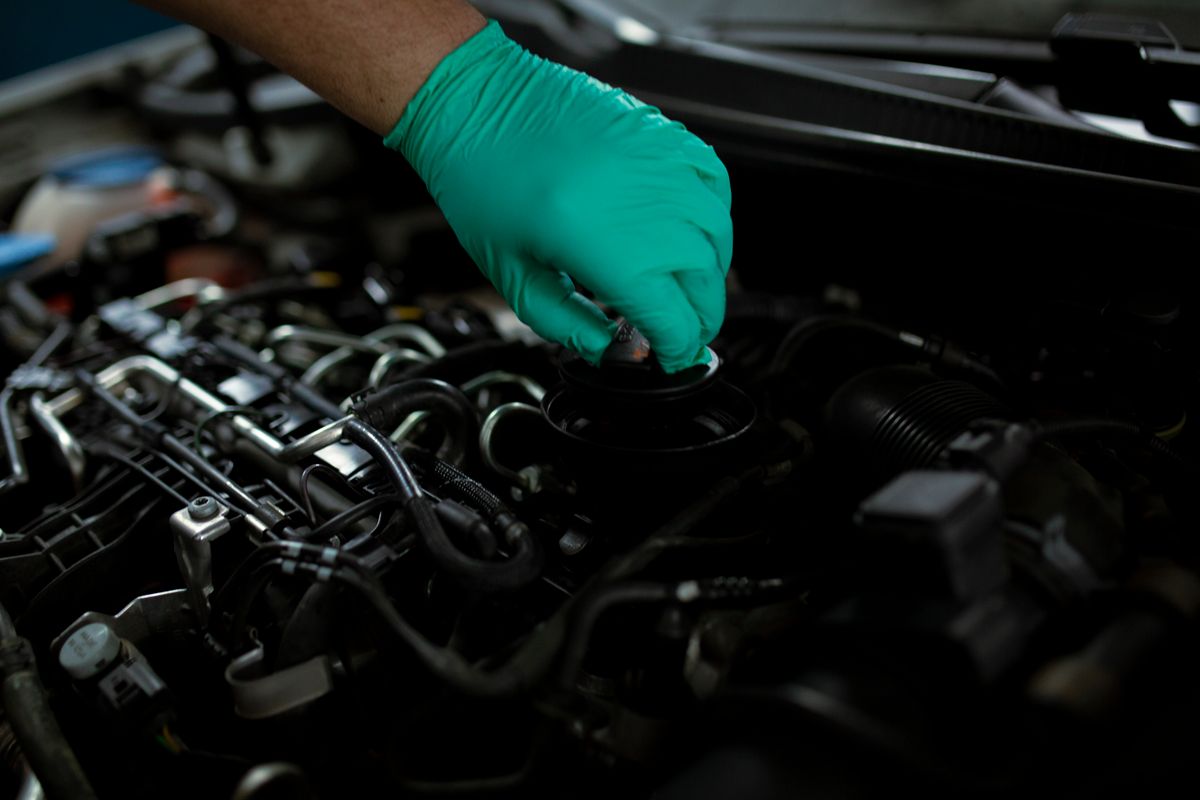
A hydraulic jack paired with jack stands lifts and safely holds your car steady while you work underneath, avoiding the risk of the car dropping unexpectedly if you rely on a jack alone.
Pros
- Ensures safety when working underneath the car
- Clear weight ratings, easy to match to your vehicle
Cons
- Needs storage space, somewhat bulky
This is a tool you shouldn't cut corners on — relying only on a hydraulic jack to hold the car up while working underneath is one of the most common causes of home-maintenance accidents.
2. Anti-Spill Oil Funnel

A funnel with a long, flexible spout that guides oil precisely into hard-to-reach fill necks without spilling into the engine bay.
Pros
- Significantly reduces the risk of spills
- Flexible spout reaches tight spots
Cons
- Needs a thorough clean after every use to avoid mixing old residue
A good-quality funnel helps avoid oil dripping onto hot engine components — a common cause of a burnt smell after a home oil change.
3. Sealed Oil Drain Pan
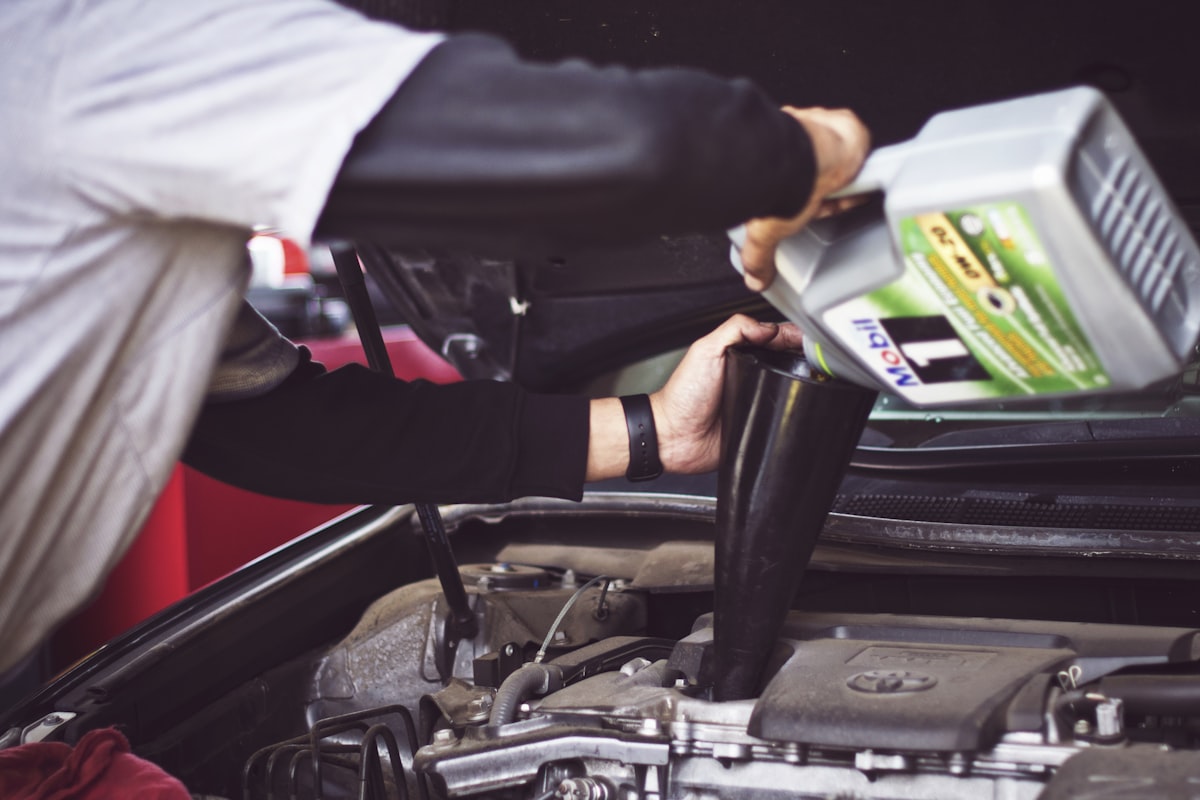
A large-capacity drain pan with a sealed lid, letting you catch the drained oil and safely transport it to a recycling drop-off point without leaking along the way.
Pros
- Large enough for most engine oil capacities
- Sealed lid, safe to transport
Cons
- Needs regular cleaning to avoid lingering odor
A pan with a sealed lid is a small but important detail — used oil needs to be disposed of properly, and an open pan spills easily on the way to a drop-off point.
4. Oil Drain Plug Wrench Set
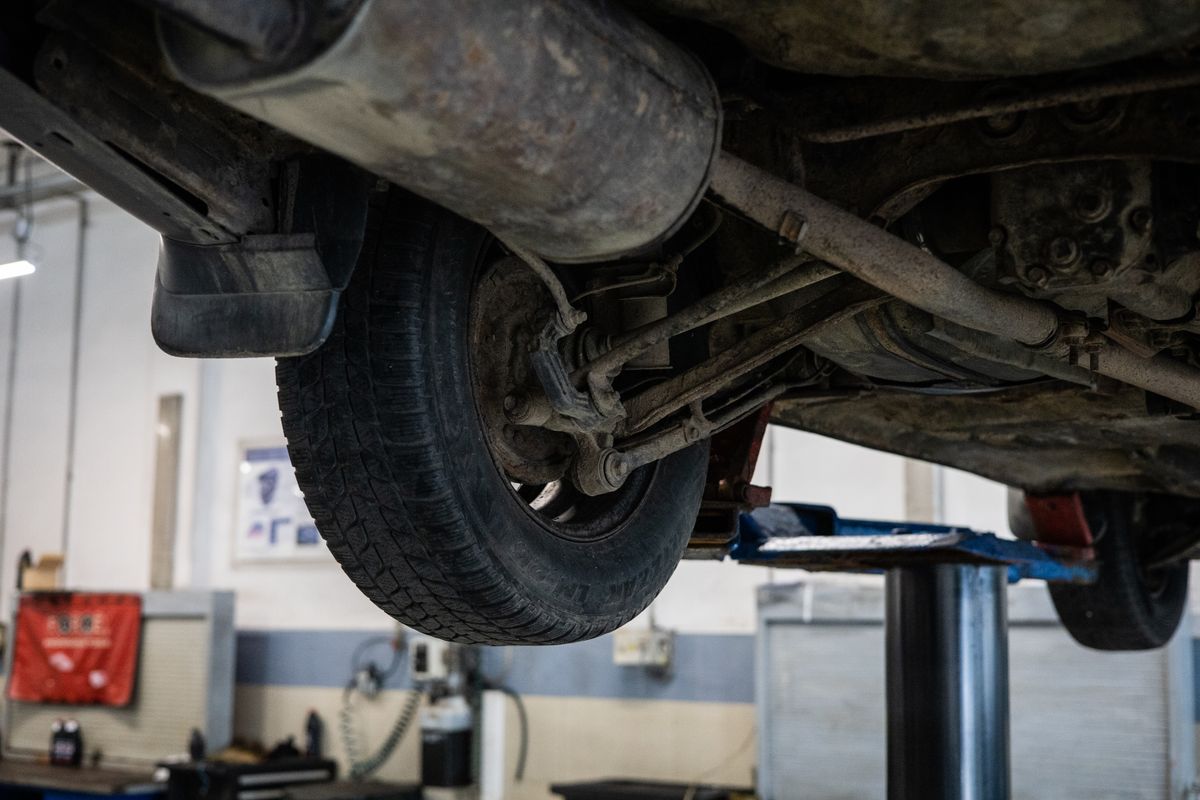
A specialty wrench set with multiple socket sizes to fit common drain plugs and oil filters, reducing the risk of stripping the threads compared to using a generic adjustable wrench.
Pros
- Multiple socket sizes fit most common vehicles
- Significantly reduces the risk of stripping drain-plug threads
Cons
- Some newer cars need a specialty socket not included in the basic set
Using the proper specialty wrench instead of a generic adjustable one significantly cuts the risk of stripping the drain-plug threads — a common mistake that ends up costing extra in repairs for home mechanics.
Frequently Asked Questions
Does changing your own oil at home actually save money?
Yes, if you have the basic tools and follow the process correctly, doing it yourself usually saves on labor cost. However, you'll need to invest in tools upfront and have a proper way to dispose of used oil.
What major mileage milestones should I pay extra attention to?
Common ones include 30,000 km (belts, air filter), 60,000 km (transmission fluid, spark plugs on some models), and 100,000 km (timing belt on belt-driven engines, coolant).
Do I need professional-grade tools if I only change oil once or twice a year?
You don't need premium-grade tools, but basic safety equipment like a jack and jack stands should always be on hand, regardless of how often you do it yourself.
Final Verdict
Engine maintenance by mileage goes beyond just oil changes — larger milestones need tracking too so nothing important gets missed. If you decide to handle some of this yourself, investing in the right safety and specialty tools makes the whole process go much more smoothly.
Major Mileage Milestones to Remember
| Mileage | Additional Items to Check |
|---|---|
| 30,000 km | Engine air filter, belts, brakes |
| 60,000 km | Transmission fluid, spark plugs (some models), fuel filter |
| 100,000 km | Timing belt (if applicable), coolant, seals |
Safety First, Savings Second
If you’re just getting started with at-home car maintenance, don’t skip investing in safety equipment like a jack and jack stands just to save on upfront cost. The risk of an accident while working underneath a car with unsafe tools far outweighs whatever money you’d save.