Prices are shown for reference only and may vary by retailer. Always check the latest price before buying.
| Product | Award | Rating | Best For | Price |
|---|---|---|---|---|
| Castrol EDGE / GTX | Widest Product Range | 4.6/5 | Buyers who want more choice across budgets | Check latest |
| Mobil 1 / Mobil Super | Best for High-Performance Cars | 4.7/5 | High-performance vehicles, strong turbo engines | Check latest |
| Shell Helix | Best Overall Balance | 4.5/5 | Most everyday cars, daily driving | Check latest |
| Total Quartz | Best for Diesel Engines | 4.4/5 | Diesel engines and European cars | Check latest |
1. Castrol EDGE / GTX
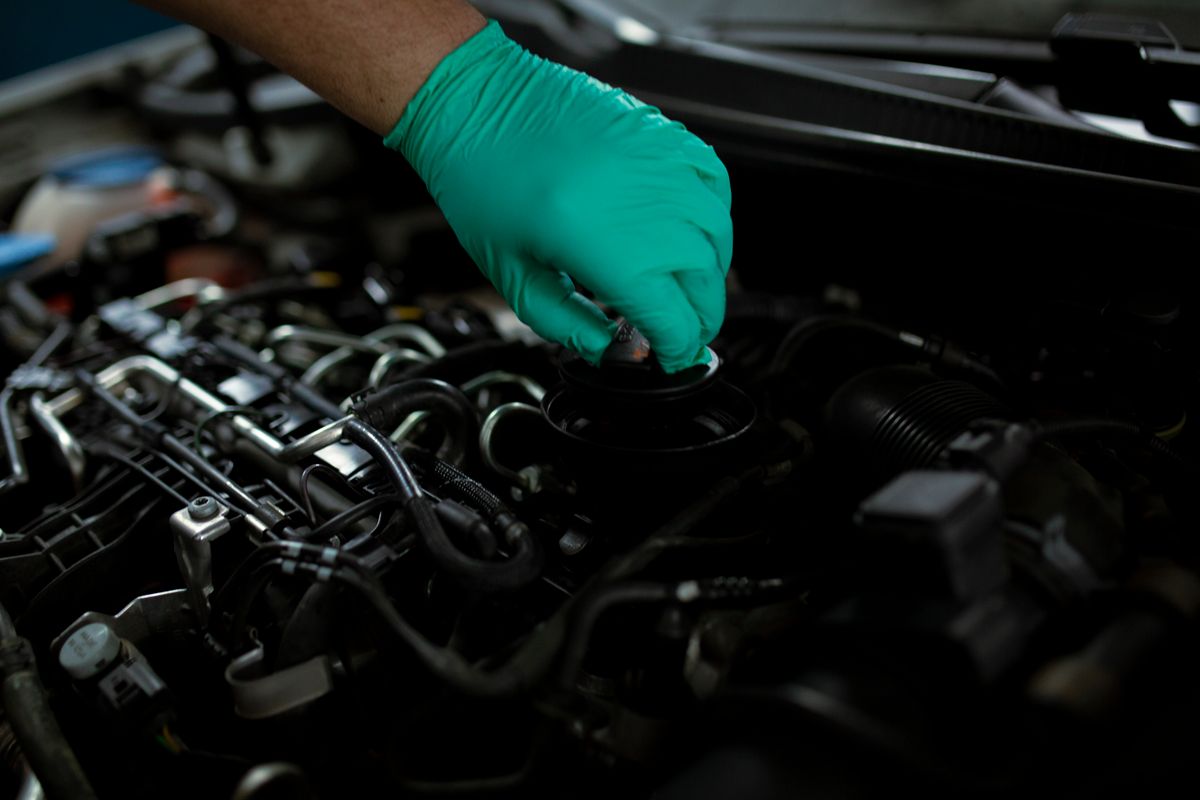
Castrol offers a wide range from the entry-level GTX line to the premium EDGE line, making it easy to find a fit for your budget while staying within one familiar brand.
Pros
- Wide product range across price points
- Broad distribution network, easy to find
- Recommended by many dealership service centers
Cons
- The premium EDGE line is priced above some competitors in its class
Castrol suits anyone who wants to stick with one familiar brand but still have room to move from entry-level to premium as needed, without having to research a new brand from scratch.
2. Mobil 1 / Mobil Super

Mobil 1 has a long motorsport heritage, and its lineup is optimized for high heat and pressure tolerance, well-suited to high-performance or heavily turbocharged engines.
Pros
- Strong performance under high pressure and heat
- Recommended by many high-performance vehicle manufacturers
Cons
- Priced at the higher end among popular brands
If your car falls into the high-performance or heavily turbocharged category, Mobil 1 has the most proven technical pedigree in this comparison.
3. Shell Helix

Shell Helix strikes a good balance between price and performance, with a range from HX5 (semi-synthetic) to Helix Ultra (full-synthetic) suited to most everyday cars.
Pros
- Good balance of price and performance
- Wide distribution across many retailers
Cons
- The entry-level HX5 line isn't ideal for high-performance cars
For most everyday cars used for daily driving, Shell Helix offers reasonable value without paying extra for specialized features you'll rarely use.
4. Total Quartz
Total has deep experience with diesel and European engine oils, with the Quartz line meeting popular ACEA groups B and C commonly required on modern diesel vehicles.
Pros
- Strong expertise in diesel engine oils
- Meets ACEA groups B and C well
Cons
- Less common outside European markets
If you drive a diesel or European car, Total Quartz is often the preferred pick at shops specializing in European vehicles thanks to its strong compatibility with specific ACEA ratings.
Frequently Asked Questions
Should I mix oil from two different brands?
No. While most modern oils are broadly compatible with each other, every brand has its own additive formula — mixing can reduce the effectiveness of those additives. It's best to fully drain the old oil when switching brands.
Is a more expensive brand always better?
Not necessarily. Price reflects some of the brand and technology involved, but the most important factor remains whether the oil meets the recommended viscosity and API/ACEA rating for your car.
Should I stick with one oil brand for the life of my car?
Not required, but keeping a consistent brand and product line makes it easier to track service history and reduces the risk of additive incompatibility between changes.
Final Verdict
There's no single right brand for everyone — Castrol suits those who want more budget options, Mobil 1 for high-performance cars, Shell Helix for overall balance, and Total Quartz is a strong pick for diesel and European cars. What matters most is still choosing the right viscosity and technical rating, regardless of brand.
What Matters More Than the Brand Name
Before getting caught up comparing which brand is “better,” remember that the SAE viscosity and API/ACEA rating recommended by your manufacturer remain the most important deciding factors. Two bottles from different brands with the same viscosity and technical rating will deliver broadly comparable engine protection.
The differences between brands mainly come down to their specific additive formulas, long-term stability, and how well they’re optimized for particular engine types — subtler factors worth weighing after you’ve already narrowed your list down by the correct technical specs.